







Search Results for: price differences
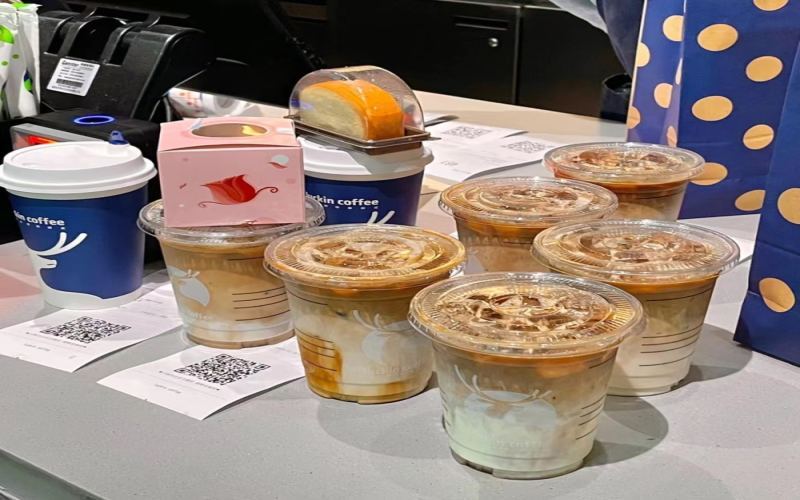
Luckin Coffee's 2023 price list is out: Differences in store pricing spark heated discussion—is self-pickup actually more expensive than delivery?
Luckin Coffee's latest 2023 store price list has been announced, clearly listing prices for series such as the Classic Latte, SOE Little Black Cup, and the Raw Coconut Family. However, consumers have recently discovered that the same drink is priced differently at different stores, and in some cases the pickup price is even higher than the delivery price—a phenomenon that has sparked widespread discussion. Luckin Coffee officially responded that, due to differences in logistics and operating costs, stores may apply for price adjustments, with a maximum increase of 3 yuan. This article compiles the complete price list and reviews the changes in Luckin's pricing strategy and their impact on consumers. [more…]
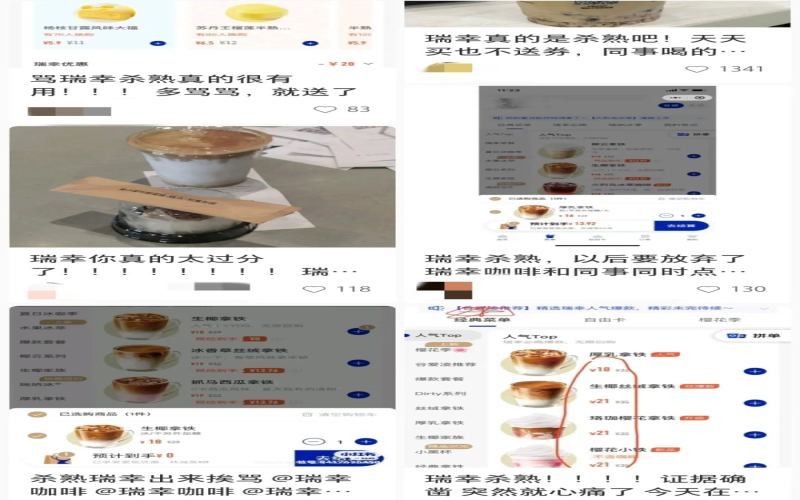
Luckin's Raw Cheese Latte Accused of Price Discrimination, Official Response Cites Comprehensive Factors
For professional coffee knowledge exchange and more coffee bean information, please follow Coffee Workshop (WeChat public account: cafe_style) For more specialty coffee beans, please add the personal WeChat of Front Street Coffee (FrontStreet Coffee), WeChat ID: qjcoffeex Recently, Luckin Coffee has been thrust into the spotlight over price discrepancies for its cheese latte. Some consumers reported that the same drink was priced vastly differently across accounts, ranging from 9.9 yuan to 18 yuan, sparking allegations of "big data price discrimination against existing customers." Luckin officially responded that the price differences stem from store operating costs and randomly issued system discounts, denying any price discrimination. However, this is not the first time Luckin has fallen into such controversy; as early as 2021, the media exposed similar cases. This article will sort through the course of the incident, the views of various parties, and the industry background, to explore the issue of price fairness in online consumption. [more…]
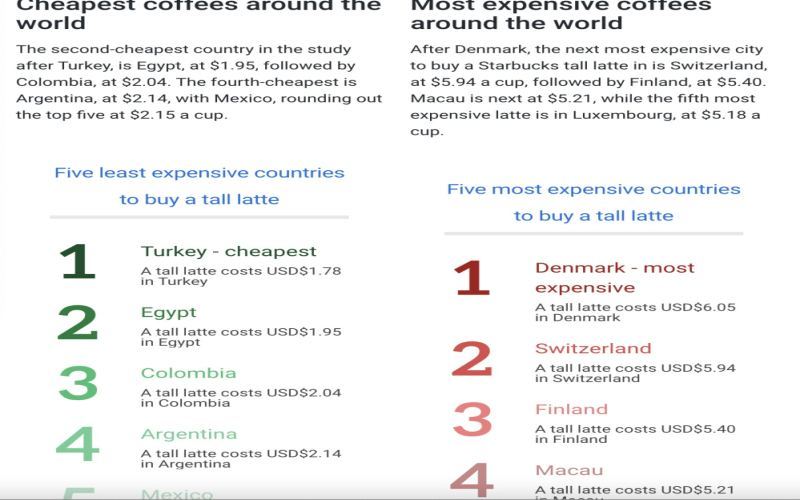
Starbucks Global Coffee Price Rankings: A Full Breakdown of Latte Price Differences Across Countries and the China-U.S. Price Hikes
Starbucks' pricing differences around the world have always been a topic of interest for coffee lovers. According to a 2019 Finder survey of 76 countries and regions, a medium latte in Denmark costs as much as $6.05, while in Istanbul, Turkey, it costs only $1.78—nearly a fourfold difference. Europe has the highest average price, with Asia close behind. In addition to the global comparison, the article also compiles the latest drink price list for Starbucks in China and analyzes the multiple price adjustments in both China and the United States in recent years caused by the pandemic and rising raw material costs. To learn where Starbucks is cheapest, whether its prices are on the high side, and the specific prices of classic drinks, see the detailed data below. [more…]
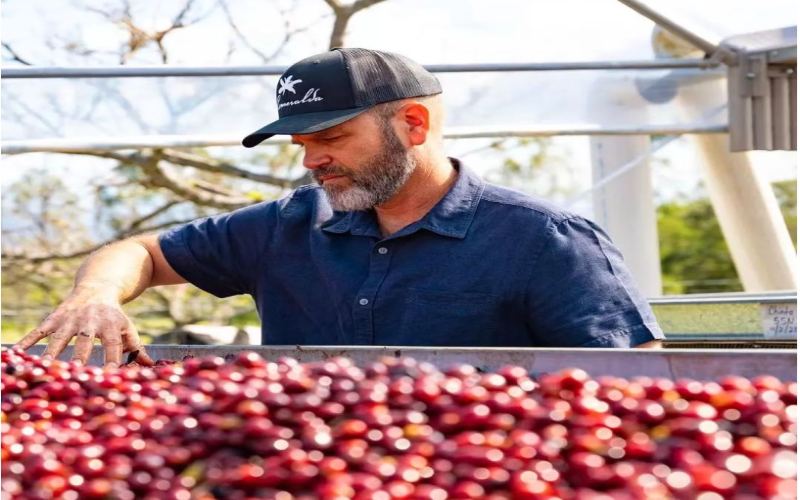
Why is Geisha coffee beans so expensive? Understand the price of Geisha coffee beans.
Geisha has made a big splash in recent years, and under the pursuit of enthusiasts, its price seems to be creating a historical high every year. With this kind of information, exactly what price should the Geisha coffee beans you buy reach before it [more…]
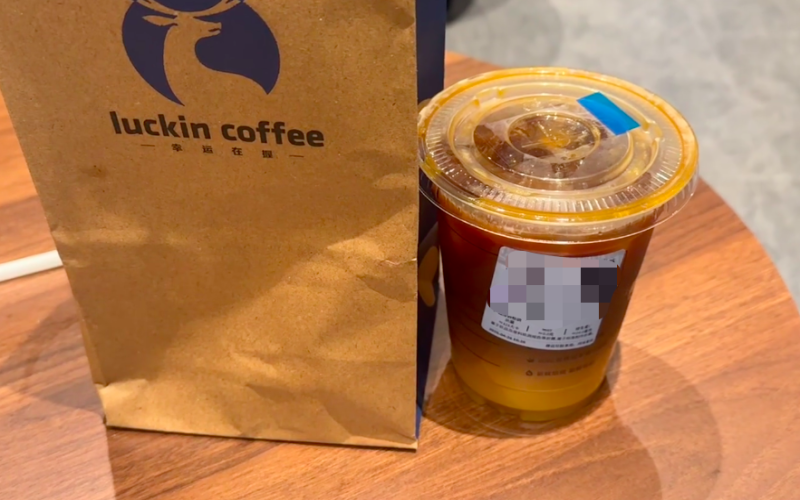
Same Cup of Coffee Costs Members More? Luckin Mini Program Accused of Differential Pricing Sparks Heated Debate
At the same Luckin Coffee store, for the same drink, different users may see prices on the mini-program that differ by several yuan—and paid members may even be charged more than regular users. Recently, some consumers told the media that they suspected they had been subjected to "big data price discrimination" when buying drinks at Luckin. A reporter's investigation found that the system pushes different coupons to different accounts, resulting in "a different price for the same cup of coffee for each person." This phenomenon has struck a chord with many netizens and sparked widespread complaints, prompting people to re-examine the value of loyalty programs offered by chain coffee brands. [more…]
Uncovering the Pricing Differences Across Luckin Coffee Stores: 2023 Latest Price List and Top 10 Most Popular Drinks
Luckin Coffee has amazed everyone in recent years with its rapid product iteration and endless stream of new releases, but have you noticed that prices actually differ from store to store? This article compiles Luckin's latest 2023 price list, covering classic coffees, the Little Black Cup SOE series, the Coconut Latte family, Velvet Latte, and other popular products, and also ranks the top ten drinks most worth trying. At the same time, it provides an in-depth analysis of phenomena such as price differences caused by store tiering and self-pickup being more expensive than delivery, combining media investigations and statements from store staff. In addition, the article also retains related recommendations from Front Street Coffee for coffee lovers' reference. Whether you are a regular Luckin customer or a coffee beginner, this article can help you choose that cup more wisely. [more…]
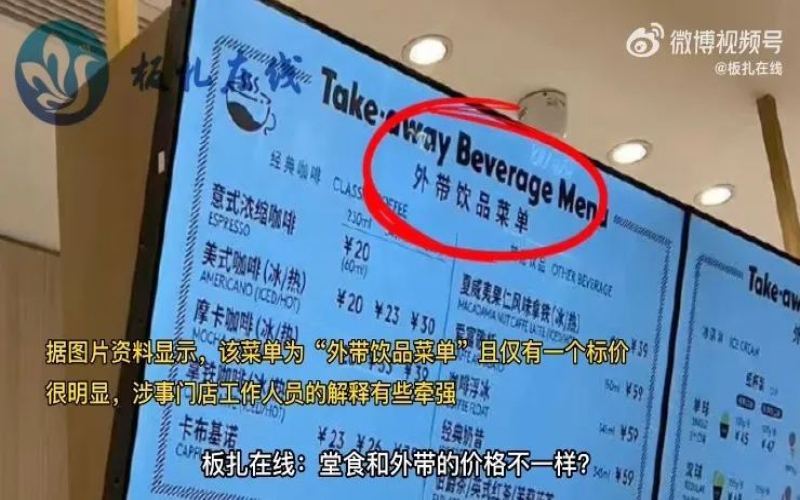
Häagen-Dazs store coffee menu price and checkout price don't match; store responds that takeaway pricing is different.
Professional coffee knowledge exchange For more coffee bean information, please follow Coffee Workshop (WeChat public account: cafe_style) For more specialty coffee beans, please add the personal WeChat of Front Street Coffee, WeChat ID: qjcoffeex Recently, a consumer reported that a Häagen-Dazs store in Suzhou listed espresso at 20 yuan on its menu but actually charged 23 yuan at checkout. The store explained that there is a price difference between dine-in and takeout, but the menu title clearly states "Takeout Beverage Menu" and shows only one price without indicating that takeout incurs an extra charge, making this explanation hard to believe. Since opening the world's first coffee store in Shanghai in 2014, Häagen-Dazs has continued to expand in China's coffee market, and its total number of stores has now reached 482. In addition to this pricing dispute, the brand was previously reported by the EU over food safety issues. [more…]
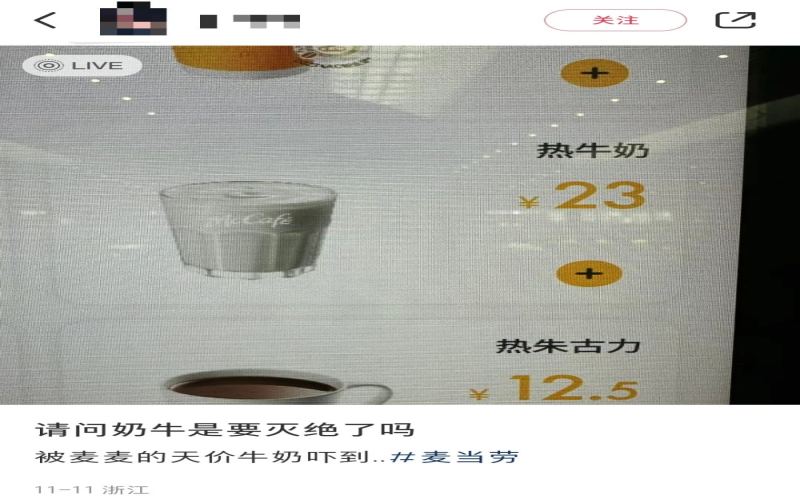
McDonald's hot milk priced at 23 yuan sparks heated discussion, with pricing at high-speed rail station outlets and differences in milk sources becoming the focus
Recently, the topic of a cup of hot milk costing 23 yuan at McDonald's trended on Weibo, jokingly dubbed by netizens as a "milk assassin." The incident originated from a complaint by a netizen on social media on November 11, which subsequently sparked widespread discussion. Some netizens shared experiences of witnessing staff opening low-priced pure milk and heating it for sale in stores, while others believed that pricing in special commercial districts like high-speed rail stations is inherently higher. Upon inquiry, McDonald's official mini-program shows that this milk comes in large, medium, and small cups, priced at 23 yuan, 19 yuan, and 15 yuan respectively, and the milk sources used in stores across different cities also vary. As coffee enthusiasts, we might as well use this incident as a starting point to discuss the pricing logic and milk source choices of chain restaurants. [more…]
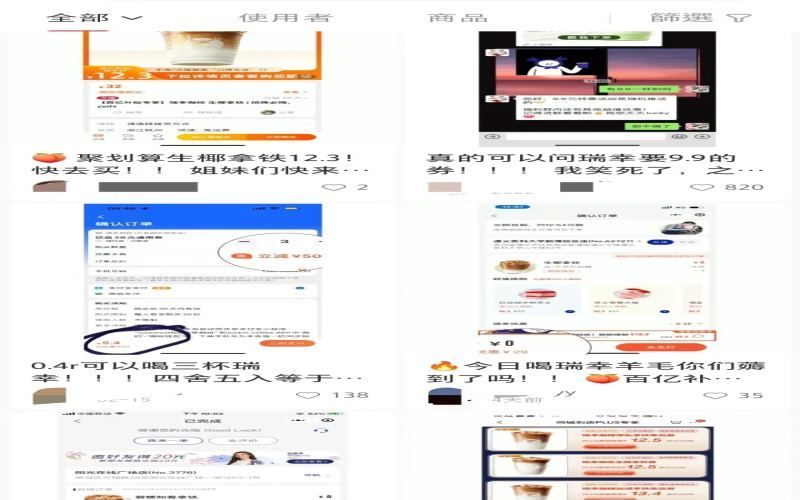
Low-price traffic drivers coexist with higher prices for regulars: Luckin Coffee's pricing strategy sparks heated discussion
In recent years, the price war in the coffee market has intensified. While brands use prices as low as 9.9 yuan or even lower to attract new customers, they also allow various money-saving guides to circulate freely on social platforms. However, a media investigation found that Luckin Coffee offers vastly different prices to users based on their consumption frequency—high-frequency consumers actually end up paying more. This article sorts out the common channels for money-saving guides, the phenomenon of Luckin's low-price coupons on platforms like Douyin, and a detailed month-long process in which reporters used multiple phones to test pricing differences in the Luckin mini-program, revealing the opacity of the system's recommended discount plans. For coffee lovers, understanding these pricing tricks may help you save a considerable amount of money. [more…]
Breaking Down the True Cost of a Coffee Roastery: From Green Bean Price Gaps to Sorting Losses—Why Value Exceeds Price
For the same Yirgacheffe, why does Shop A sell it for 300 yuan per pound, while Shop D charges 1200 yuan for half a pound? Behind the price gap is not just a game of origin labels, but also layer upon layer of costs including fluctuations in supply, green bean grade, roasting weight loss, and manual bean sorting. This article, from the perspective of a shop that roasts its own beans, breaks down the true structure of coffee bean pricing and explains why the value of "genuine goods at a fair price" is often more precious than the listed price. The article also mentions Front Street Coffee's tasting service, helping consumers judge in the most direct way whether a bag of beans is truly worth it. [more…]
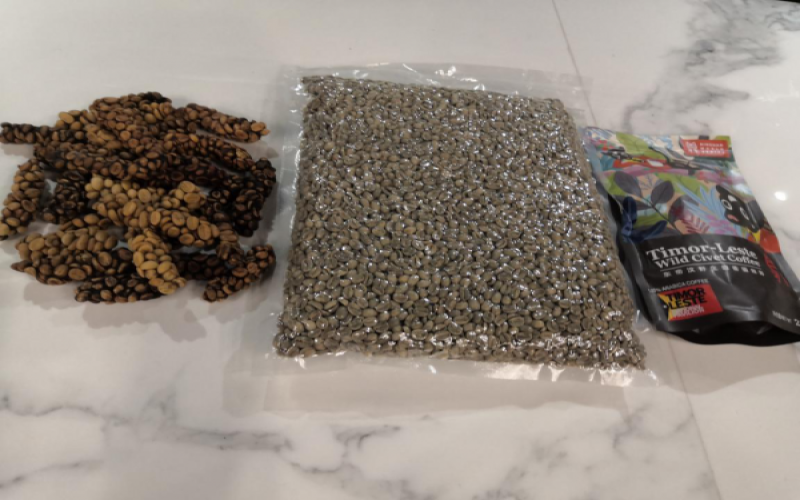
An Analysis of the Real Price of Indonesian Kopi Luwak: Is 396 Yuan per Cup Reasonable, and What Accounts for the Difference Between Wild and Farmed?
Kopi Luwak is celebrated as one of the most expensive coffees in the world. It once sold for US$1,200 per kilogram in the American market, a cup was priced at £50 in London, and during the 2010 Shanghai World Expo it was even marked at a high price of 396 yuan per cup. Yet on Taobao, 100 grams of Kopi Luwak coffee beans sell for only around 200 yuan. This stark price gap leaves many coffee lovers puzzled. What is the real market price of Kopi Luwak? Are the products on Taobao trustworthy? This article will take an in-depth look at the price structure of Kopi Luwak—from the differences between wild and farmed civets, to the civet's unique digestive mechanism, to the price variations brought by different places of origin—to reveal the truth behind this cup of the "royalty of coffee." [more…]

Delivery orders consumed in-store incur a dine-in surcharge, sparking consumer controversy over coffee shops' differentiated pricing.
Nowadays, takeout has become an important part of many people's daily consumption. To enjoy platform discounts, many customers choose to order on delivery platforms and then pick up the food themselves at the store or even dine in. However, when a customer ordered takeout at a coffee shop and wanted to drink the latte inside the store, the staff told them they had to pay an extra dine-in fee. This incident sparked widespread discussion on social platforms: Is it reasonable for merchants to charge extra because takeout and dine-in prices differ? How should the consumer experience be safeguarded? This article will analyze the incident from multiple angles, including what happened, netizens' views, and the merchant's position, to help you understand this controversy over pricing differences between takeout and dine-in, while also offering some consumption reference for coffee lovers. [more…]

Why Is Cold Brew Priced Higher Than Americano? Analyzing the Differences Between the Two from Extraction Methods to Coffee Bean Selection
Among various types of black coffee, cold brew is often priced the highest, creating a stark contrast with the affordable Americano. This price difference is no accident—it stems from fundamental differences in extraction methods and the coffee beans used. Americano is based on espresso, simply diluted with water, making it flexible and quick to prepare; cold brew, on the other hand, encompasses various forms such as ice drip and cold steep, requiring long, slow extraction with ice water, which comes at a higher time cost. More crucially, Americano typically relies on dark-roasted commercial blend beans to accommodate milk coffee offerings, while cold brew often uses specialty beans with traceable flavors, which demand higher cultivation and processing standards, with costs accumulating layer by layer. This article will analyze the sources of the price difference between cold brew and Americano from three dimensions—water temperature, time, and beans—and share Front Street Coffee's bean selection recommendations for cold brew. [more…]

Luckin Coffee's "Scribble Dog" collaboration set menu pricing anomaly sparks debate: mini-program mispricing or system glitch?
As Typhoon Bebinca made landfall in Jiangsu and Zhejiang, Luckin Coffee's collaboration with Korean illustrator YEYE featuring the "Scribble Puppy" launched as scheduled, drawing a large number of fans who set early alarms to snap up the merchandise. However, many users found that the collaboration package on the mini-program was priced as high as 60 to 70 yuan, far exceeding the previous range of 20-40 yuan, triggering complaints that it was "too expensive." A few hours later, the price of the same package suddenly dropped to just over 30 yuan, prompting consumers who had already placed orders to angrily demand a refund of the price difference. Some employees speculated that the issue was caused by a pricing error when the items were listed. Behind this price controversy, the long-standing problem of frequent system bugs in Luckin's collaboration campaigns has once again surfaced. [more…]
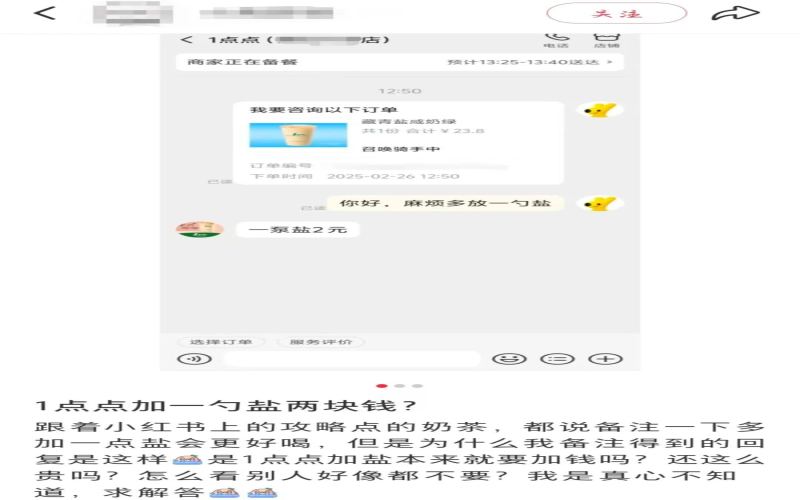
A little bit of salted milk green tea with added salt at a higher price sparks heated discussion; consumers ask whether sugar-free or less-sugar options should come with a price refund
Recently, a post about 1 Dian Dian's navy salt salted milk green tea charging an extra 2 yuan for added salt sparked widespread discussion on social media. Some customers, following online guides, asked for extra salt, only to be told that one pump of salt costs 2 yuan, which was far from their expectations. Subsequently, 1 Dian Dian employees and official customer service explained that the "salt" is actually a relatively expensive navy salt rock sugar flavor syrup, and according to company policy, additional additions require payment. Although the store has apologized for the incorrect price quote, netizens have derived a new question: since adding sugar costs money, should customers who order less sugar or no sugar also get a refund for the corresponding syrup price difference? This debate about the pricing logic of tea drinks quickly became a topic of interest for coffee and tea enthusiasts. [more…]
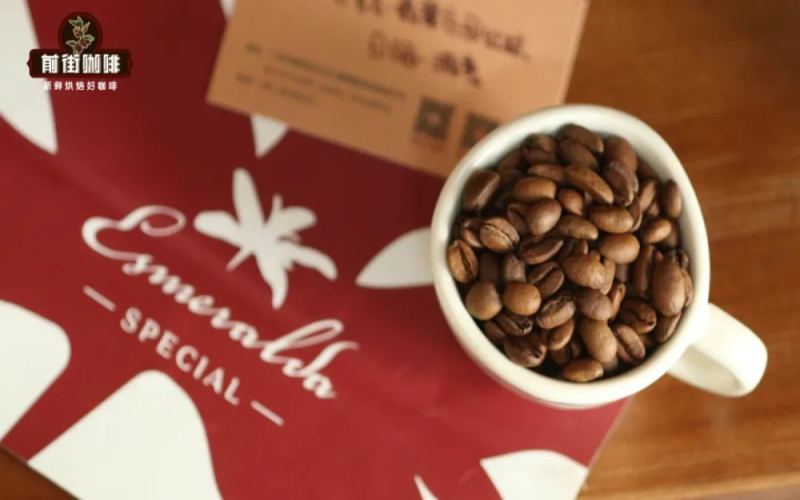
Why Is Geisha Coffee So Expensive? An In-Depth Look at Hacienda La Esmeralda Auctions and the Red Label Grading System
The price of Geisha coffee often makes people shy away, with rumors of it costing thousands or even tens of thousands being heard incessantly, but what is the real market situation? From the perspective of Front Street, this article systematically sorts out the underlying logic behind the high price of Geisha, including the difficulty of cultivating the variety, yield limitations, and market supply and demand relationships. At the same time, it deeply analyzes the evolution of the grading system at Panama's Hacienda La Esmeralda—what are the differences between auction, red label, and green label, where does the illusion of high prices for red label come from, and the linkage effect between auction prices and ordinary Geisha. Whether you are a beginner just getting into specialty coffee or a seasoned enthusiast focused on the green bean market, you can gain a clear cognitive framework from it. [more…]
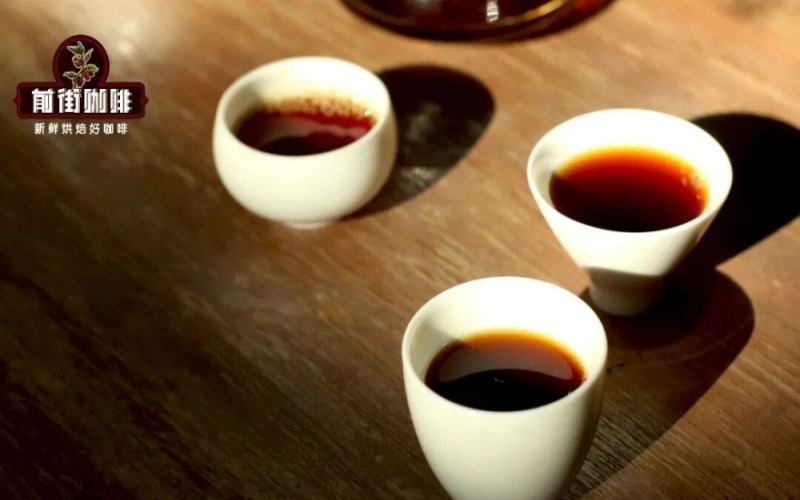
The Logic Behind Coffee Bean Pricing: How Variety, Grade, and Yield Affect Price, and Whether Expensive Equals Better Taste
It is often said that you get what you pay for, but in the world of coffee, can a higher price really be equated directly with better quality? At Front Street Coffee's shop, we once had a customer ask, staring at the 75-yuan Emerald Red Label, "Is it really tastier than a 30-yuan ordinary pour-over?" To answer this question, we first need to understand the underlying logic of coffee pricing. There are three main core factors affecting coffee bean prices: first, variety—Arabica and Robusta differ significantly in cultivation difficulty and yield; second, green bean grade—each producing country grades beans based on size, altitude, or defect rate; third, yield—take Jamaican Blue Mountain and Panamanian Geisha as examples, where rarity can drive prices up substantially. But a price tag cannot decide for consumers whether a cup of coffee suits their taste, as evidenced by a regular at Front Street Coffee who, after trying Gold Label Geisha, exclaimed that it was too sour. This article will break down these factors one by one to help enthusiasts find the cup of good coffee that truly belongs to them. [more…]

Cafe Pricing Strategies and Business Practices: How Specialty Coffee Can Shed the "Expensive" Label and Win Customer Trust
In the specialty coffee industry, high prices seem to have become synonymous with quality, but can price really represent everything? Starting from real-world cases, this article explores how coffee shops can price reasonably and how they can use professional service to help customers perceive the value of specialty coffee. The article analyzes the current pricing chaos in specialty coffee, points out the differentiated advantages of independent coffee shops versus chain brands, and emphasizes that the service experience is the key to winning customer trust. Whether you are a coffee professional or an enthusiast, you can gain practical insights into coffee shop management and product pricing. [more…]
Blue Mountain Coffee Bean Price Range and Pour-Over Steps Explained: From Market Trends to Siphon Pot Operation Guide
How much exactly does a pound of Blue Mountain coffee beans cost? On the market, prices range from a few dozen yuan to over a thousand yuan, reflecting multiple factors such as origin, grade, and tariffs. This article reviews the price trends of Blue Mountain coffee beans and compiles reference prices for coffee beans across different sales channels. It also provides a detailed introduction to Front Street Coffee's Blue Mountain brewing methods, including specific step-by-step instructions for the French press and siphon pot, helping coffee enthusiasts extract a Blue Mountain coffee with pristine flavors and rich layers at home. [more…]
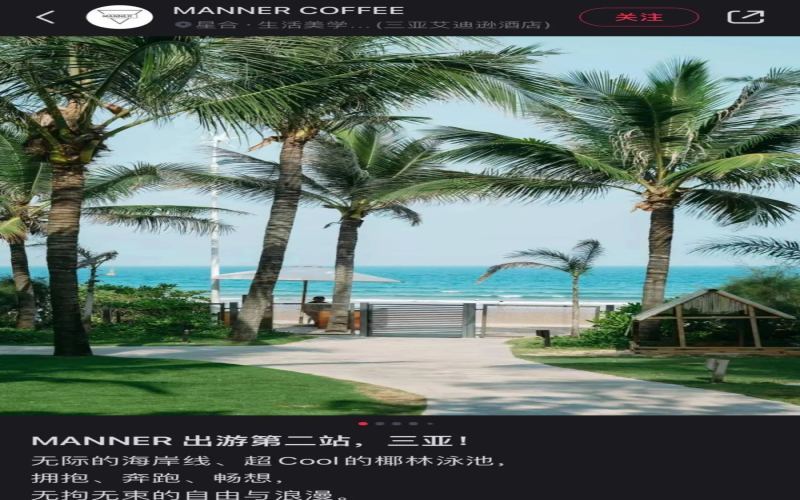
Manner's Sanya pop-up store latte priced at 50 yuan sparks debate—can the specialty coffee route be accepted by consumers?
Manner Coffee, long positioned as an affordable specialty coffee brand, recently opened the second stop of its travel series at The Sanya EDITION hotel, but a high-priced menu has sparked widespread discussion. A consumer who ordered a 50-yuan latte said the taste was no noticeably different from the regular 15-yuan version, and could only be seen as paying for the vacation setting. According to the price list, this pop-up store charges 45 yuan for an Americano, 50 yuan for a latte, 55 to 60 yuan for specialty drinks, and up to 200 yuan for pour-over coffee, in sharp contrast to the 15 to 25 yuan pricing at regular stores. Manner's move is speculated to be imitating Starbucks' strategy of distinguishing between regular and Reserve stores, but against the backdrop of an increasingly fierce coffee price war, whether this differentiated pricing can win market recognition remains to be seen. [more…]